
Floodplains are some of the most overlooked yet essential landscapes in the UK and other countries. Often seen as inconvenient, low value land they actually play a vital role in supporting ecosystems, protecting communities, and sustaining agriculture.
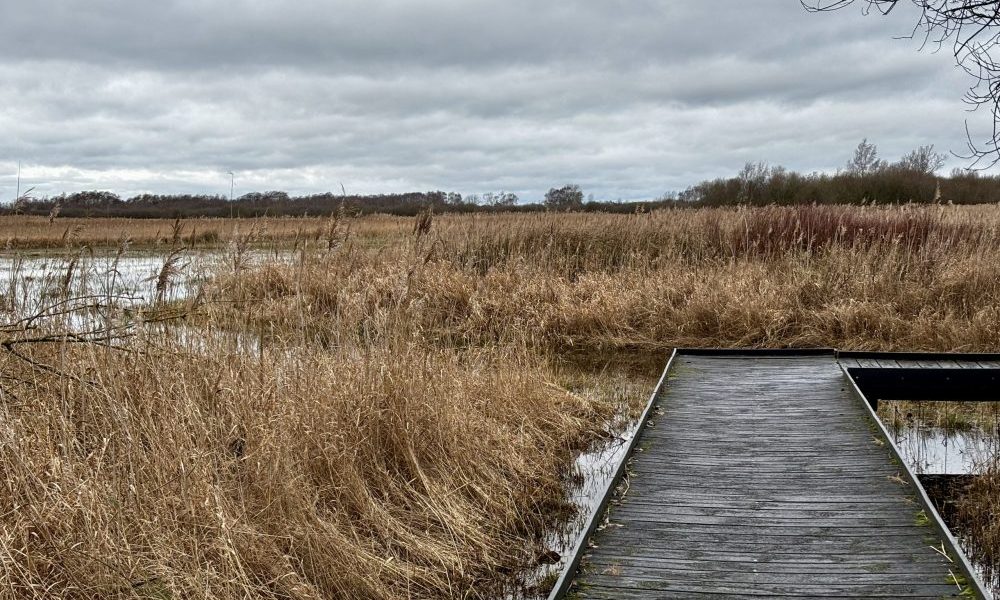
A recent visit to Wicken Fen, owned and managed by the National Trust, caused me to look into the history of the Fens of eastern England and how human intervention has led to challenges not envisaged by those seeking to make “better” use of floodplains.
What are the benefits of floodplains?
The term floodplain refers to a flat area of land next to a river that naturally floods during periods of heavy rain or snowmelt. The floodplain environments have been formed over thousands of years and change with the quantities of water flowing and the deposits left from rivers.
Floodplains can be seen to have a number of positive benefits:
Flood Protection – although formed by flooding, they act as natural buffers, absorbing excess water, slowing flows and reducing downstream flooding.
Water storage/filtration – by keeping waters in a specific area, they naturally filter it and replenish the local groundwater supplies
Soil fertility – Floodwaters deposit silt that replenishes soil nutrients, which can make floodplains some of the most productive agricultural land in the world.
Biodiversity – the wetlands formed in floodplains support a wide variety of birds, aquatic life and plant species
Carbon capture – in the UK, wet land areas provide ideal environments to lay down peat deposits, an important carbon store.
But floodplains are often seen as a hindrance to modern farming and transport infrastructure, so can the lessons learnt from the Fens lead to everyone embracing flood plains?
Lessons learnt from history
The Fens, located in eastern England across counties like Cambridgeshire and Lincolnshire, were once one of Europe’s largest wetland floodplains (the term Fen derives from old English for a marsh or swamp). For centuries, the region was a watery landscape of marshes, peat bogs, and shallow lakes. Local communities relied on fishing, wildfowling, reed harvesting, and seasonal grazing rather than conventional farming. The rivers regularly overflowed and sustained the wetland ecosystem.
The Romans and then the Normans constructed earth works to prevent some land from flooding whilst retaining significant wetlands. But it was in the 17th century, that major efforts began to transform larger areas of the Fens into farmland, using Dutch engineers and often leading to the developers riding roughshod over the locals. Rivers were straightened, new ditches and drainage channels were built and pumps used to remove water (wind powered later replaced by steam pumps). All this made the Fens some of Britain’s most productive agricultural land.
However, there have been long-term consequences unforeseen by the original engineers.
Land Subsidence – by removing the water, the peat rich soils shrunk so dramatically that in some areas the land began to sink and today parts of the Fens lie below sea level
Cost to prevent flooding – without natural wetlands to absorb water, the region now depends heavily on artificial pumping and on-going cost to maintain flood defences.
Biodiversity Loss – with wetland disappearing, the diversity of wildlife and plant species has also declined. We now know how important diversity is in the long term health of agricultural as well as wilder areas.
Carbon storage – we now know the global important of peat as a carbon store (peatlands store more carbon than the worlds forests)
The history of the Fens shows how human engineering can bring short-term gains but also long-term challenges when natural flood processes are disrupted. Floodplains provide essential natural services that are difficult and expensive to replace once lost.
Why Floodplains Matter More Than Ever
With climate change increasing extreme rainfall and flood events, floodplains are becoming even more important as a natural line of defence to reduce the cost and disruption of urban flood damage. Working with them there are also opportunities for sustainable farming opportunities and for improving the health and productivity of future food systems.
Our planning rules recognise the importance of avoiding damage to floodplains but governments often mistake these as unnecessary red tape. Perhaps they should include moats in building regulations.
Floodplains are not unproductive wastelands — they are dynamic, life-supporting systems that protect both nature and people. Working with floodplains, like the National Trust is doing at Wicken Fen, is essential for a sustainable future.